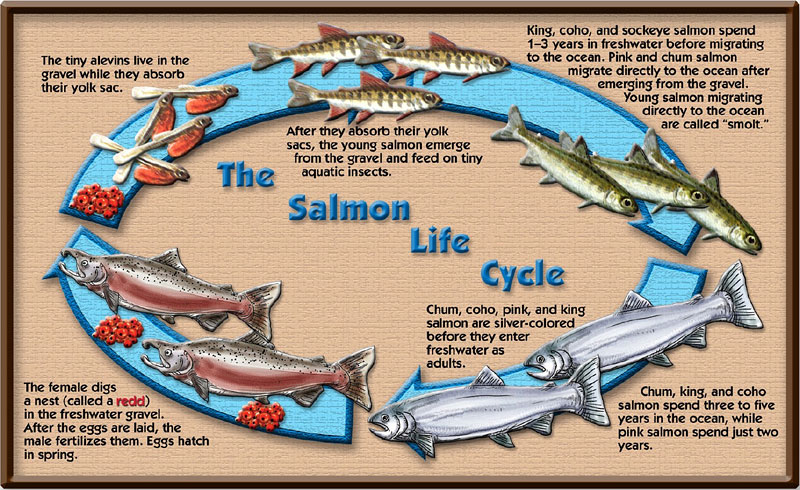
This unique lifecycle means salmonoids have a role in a vast array of ecosystems and food webs, all of which suffer when salmon runs are not healthy. In the fall, salmon runs provide nutrition for the ecosystem and a variety of animals, especially bears that are bulking up before hibernation. At sea, Orca populations are infamously struggling due to their traditionally heavy reilance on salmon runs that are now diminishing. The many important functions of salmonoinds, specifically Chinook salmon, make them a keystone species - a species on which other species in an ecosystem largely depend, such that if it were removed the ecosystem would change drastically. For this reason, it is essential for scientists to be able to visualize where salmonoid species are habitating so they can focus their habitat assessment and resoration efforts appropriately.
To learn more about the salmonoid species in Washington, click here for an in depth look at their characteristics, fun facts, and vulnerability for each species. Keep in mind, the maps on this page show salmonoid distribution within Water Resources Inventory Area 20 only and there are many other places you can find salmon within Washington state. Data retrieved from Water Inventory Resources Area 20 Slamon Recover GIS datasets.
Chinook Oncorhynchus tshawytscha
Average size: 10-15 lbs, up to 135 lbs
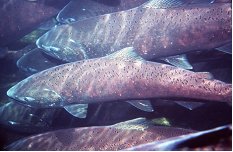
Image from the WDFW.
Also known as king salmon, the Chinook are the largest of Washington's eight salmonoids. They tend to grow to 10-15 pounds with mature adults sometimes reaching 50 pounds but rare individuals have been known to grow to more than 100 pounds.
anadromous
a·nad·ro·mous /əˈnadrəməs/
Definition: (of fish) migrating from salt water to spawn in fresh water, as salmon of the genera Salmo and Oncorhynchus.
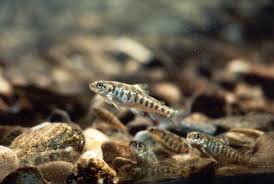
It is not uncommon for dams to be constructed on anadromous fish bearing rivers. Hatcheries are constructed on these migratory routes to offset some of the impacts that dams and other development have on salmon habitat. Within these hatcheries, salmon of various species are breed and reared to be eventually released into the river to enhance anadromous fish populations in Washington.